Connecting with your Inner Child on Special or Difficult Days
This year around my birthday, I decided to do something a little different.
In addition to the activities that my present-day adult self enjoys, I wanted to do something that would be fun for my inner child.
When I happened across the trailer for Forgotten Island, I knew that seeing it in theatre would be a great opportunity.
Forgotten Island is an animated movie that looks at themes like growing up, family, friendships, memory, and grief. Not unlike many other animated movies. However, unlike other animated movies that I’ve seen in theatres, this one features protagonists who are from the Philippines.
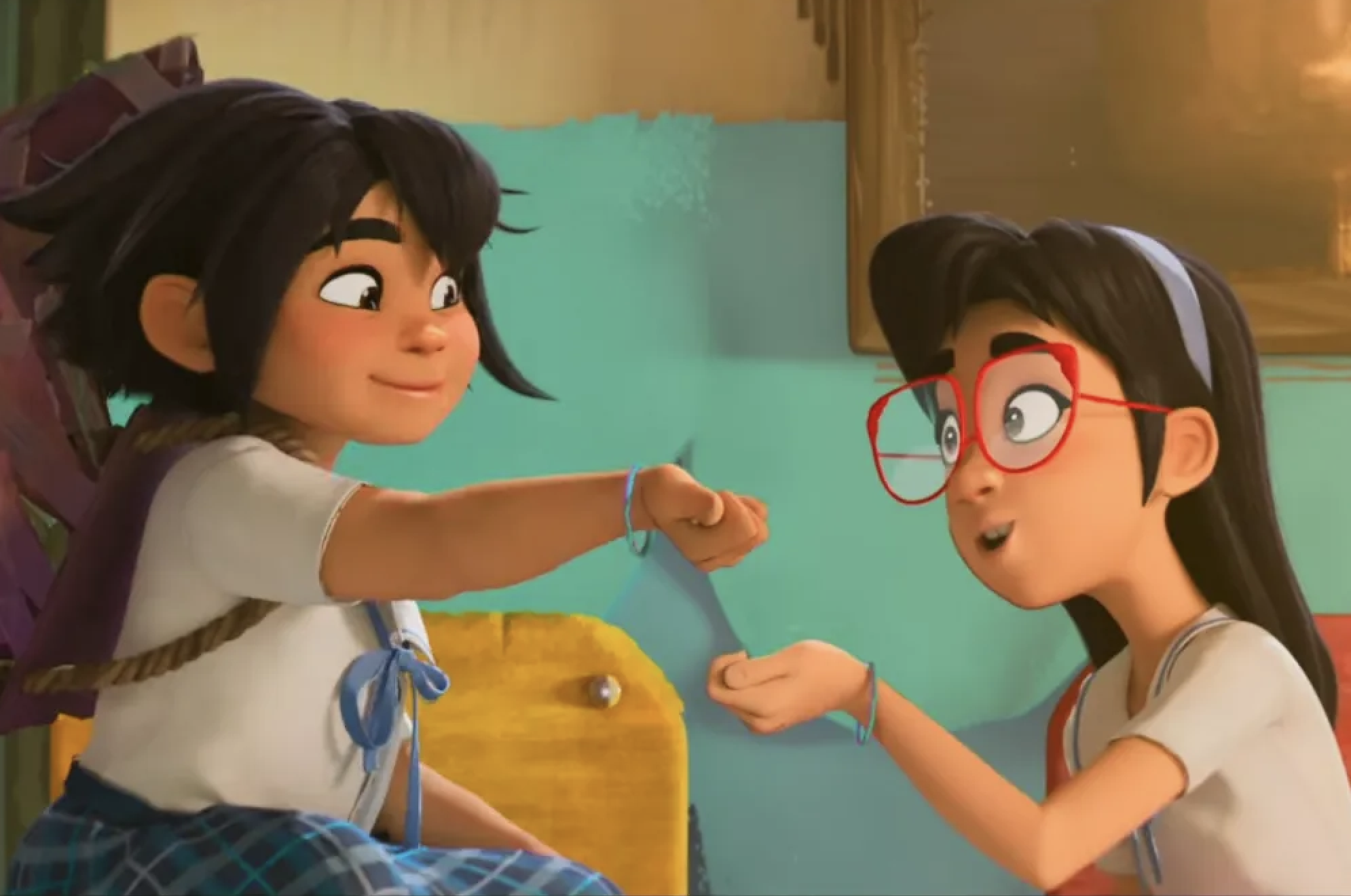
As someone who is Filipina, it was a new experience to see aspects of my family and culture represented as the context for a mainstream animated film. Something about hearing the lilt of the voices of my aunties and uncles, seeing the exact religious (though I’m not religious) figurines that my grandparents have in their home on the screen, hearing the phrasing of Kuya and Ate – it brought a feeling of warmth and emotion for younger parts of me who haven’t experienced that before in a movie theatre.
As someone who is biracial (I also have Scottish/English ancestry), it was also more unexpectedly satisfying. My experience of being biracial, though not true for all biracial folks, is that growing up, I often felt just on the outside of both groups. While there are many layers to this, on the most surface level, I’m visibly other in both Filipino and White spaces. Being asked “what are you?” became so common that in my early years I turned it into a campfire guessing game (a creative coping strategy that I look back on my younger selves with a lot of compassion). Being in a theatre where I was one of the few people who understood the subtle cultural references made that young part of me feel warmth at being part of the in-group.
Now, both my cultural studies and the critical social work mind know that it’s not as simple as representation in mainstream media = good, especially in contexts where there are large profits to be made from the representation. However, in this moment, I chose to acknowledge my valid analytical perspective yet not let it shut down the resonance my younger parts felt. I allowed my younger self to sit with the warmth of feeling connected to this part of her identity.
Providing Missing Experiences: Processing Difficult or Traumatic Relationships and Contexts
In therapy, an aspect of processing difficult or traumatic relationships, contexts, or environments is getting curious about what we call missing experiences. A component of healing from relational injury or trauma is attuning in the present-day to what those younger parts needed, and exploring ways to meet those needs. It’s not always as simple as meeting the need once and bam, healed! It can often take many repetitions of meeting a need and sitting with the awareness of that need being met in order for younger parts to differentiate that they are now living in the present day, with an adult (you!) who is working to attune to what they need, trying to meet it, and repairing when they don’t get it quite right.
Some examples of missing experiences can be
Experiencing someone repairing after a conflict or rupture in the relationship
Being able to set boundaries and have those listened to
Being able to express emotions without experiencing disconnection from others
Feeling seen, valued, connected, included
Being protected
Seeing your identities reflected and valued
Having someone celebrate positive moments or traits
A Practice Invitation: Connecting with your Inner Child on Special or Difficult Days
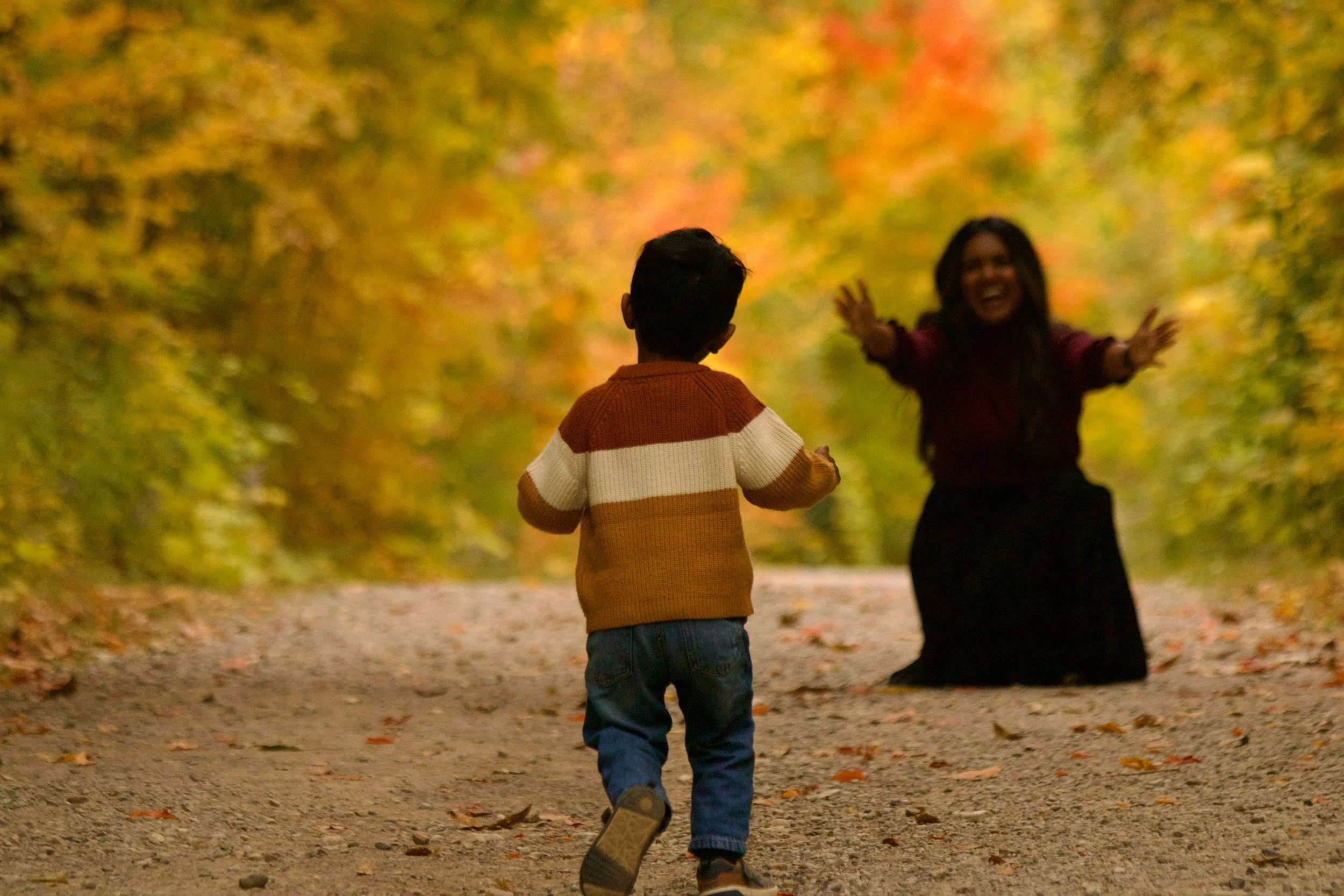
Maybe it’s the autumn weather (nostalgia and transition all wrapped in one season), but I’ve been feeling inspired lately with different ways to connect with my inner child. Here’s a practice invitation based on my experience watching Forgotten Island.
Look at your calendar and get curious. Is there a day coming up that you anticipate is special or could feel difficult? Perhaps this is a birthday, anniversary, or specific family gathering, or even a day that is predicted to be really cloudy, rainy, or a perfectly crisp autumn day.
Don’t pick something that brings up a 10/10 of emotion – start out with something that brings up a 2 or 3/10 of emotion, whether positive or difficult.

Notice inward. As you think about this day, can you sense any younger parts of you experiencing feelings, emotions, or sensations?
Get curious about what this part of you might need on this day, whether to feel celebrated or supported. Here are some ideas:
Taking a walk in nature
Spending time with a pet, loved one, or plant
Eating something that is comforting or yummy
Enjoying a warm tea or coffee
Doing an activity that honours your inner child, such as seeing a movie, reading a book, going to a play, doing a form of art, participating in a community event that reflects an important aspect of their identity or experience
Drawing attention to your present experience through your senses like trying out a weighted stuffed animal or blanket, fidget toy
Check inward. See how it feels to even be considering supporting this part of you with this activity on the day you’ve selected. If you notice it feels like too much, listen to your mind and body – you don’t have to actually do the activity. The process of considering the activity is itself a step in building your emotional muscle. Come back to an activity that feels regulating or talk to a supportive person.
If thinking about this activity brings up feelings of curiosity, openness, ease, calm, creativity, or connection, for example, you can consider trying it out. Take it slowly, and as described above, pause or stop if it feels like too much. All information is helpful to get to know your system – even noticing when something doesn’t feel like within your current capacity. You can always return to it at another moment or try something different next time.
What if I feel like my inner child wants something that doesn’t align with me today?
This requires some nuance – we want to validate and honour what the inner child within us wants while also balancing with context and awareness from our adult brain.
Sometimes, parts of us feel that they want something that doesn’t align with our current values or goals, is too risky, or wouldn’t be safe.
For example, if a difficult anniversary is soon arriving on the calendar, a part may feel the urge to not show up at work on this day and miss an important presentation.
Sometimes, taking the day off may be the action that fits in the bigger picture of your life. Other times, it can be about practicing noticing and validating the part’s feelings, while getting curious about a different way to meet their need.
We can also lean on a friend, family member, or therapist if we need support in finding ways to honour the need (such as for connection, safety, relief from overwhelm), while also providing safer or more aligned options to meet that need.

Getting to know your inner child is a process that can take time. Try and be gentle with your system and know that each time you pause and notice what is showing up in your present-moment experience, you are making a difference for your younger parts.

About the Author
Sabrina Sibbald (MSW, RSW) is a Registered Social Worker and Psychotherapist. She supports adults in Burlington, Toronto, and across Ontario to overcome anxiety, people pleasing, and trauma so they can move forward in a way that feels true to who they are.
__
This post was written by a human – no AI was used in the writing of this post :)
__
Please note that this blog post reflects the author’s perspective is not a substitute for individual therapy or support. If you need immediate support, please connect with your local crisis support (such as calling or texting 9-8-8 within Canada) or emergency services (such as 9-1-1).