Survival or Curiosity? What fuels you?
Recently, I was talking with my spouse about times where we have made big changes in our individual lives – throughout childhood, teenage years, or adulthood.
Our conversation had me thinking about the type of fuel, per say, that goes into making a difficult change or getting through a period of prolonged challenge. It had me thinking about how things can be driven by survival energy, or energy of curiosity/openness.
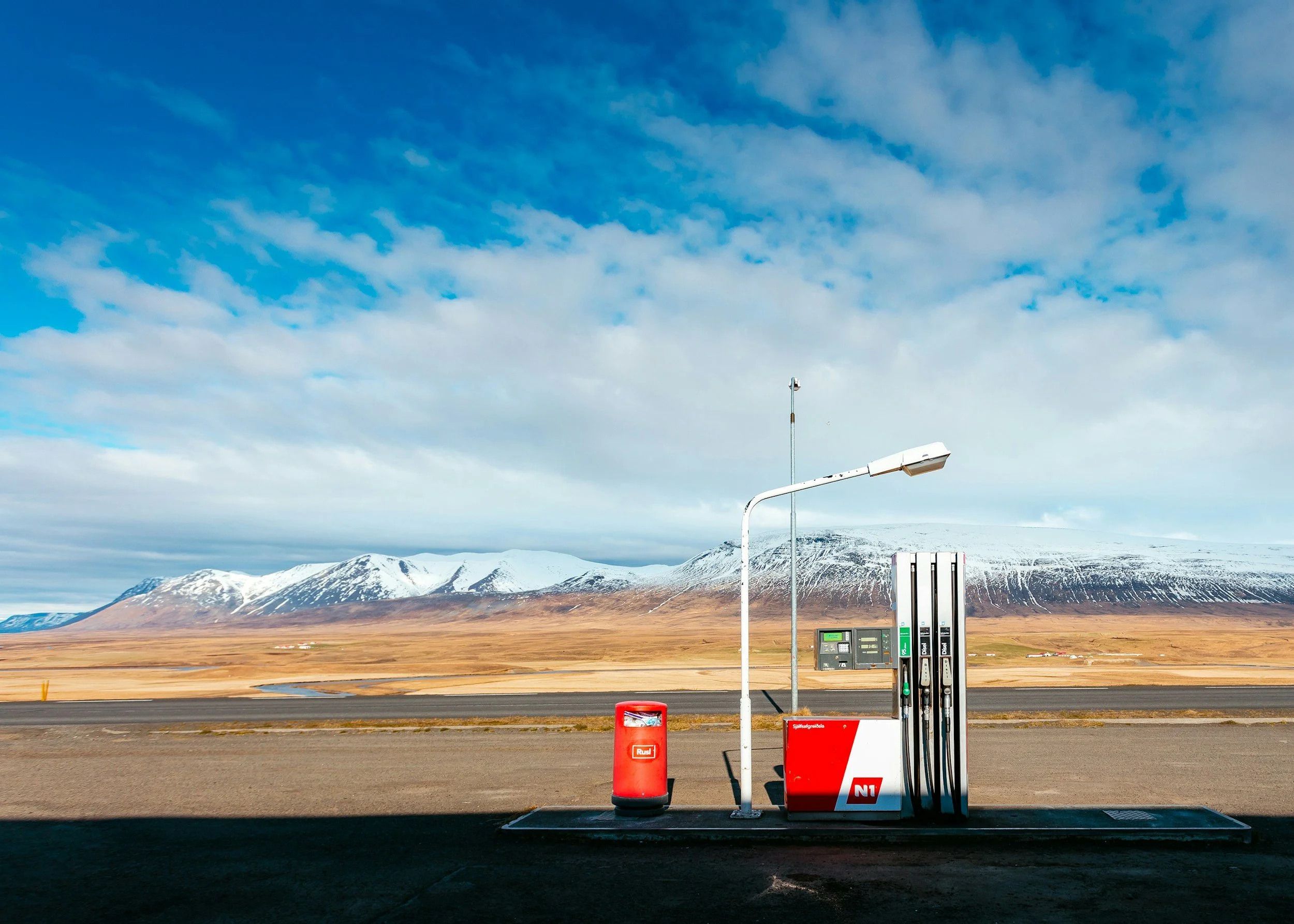
Survival Fuel: The Drive to Stay Safe
We’re all familiar with the survival energy – whether in media, witnessing of global events, or our own lives. Moments where someone is sustained in making a change or getting through a situation because there’s no other option – because it feels like danger or death is on the other side of not getting through.
How personally familiar you are with survival as fuel is deeply intertwined with different factors like if you’ve had to survive through structural or systemic factors like racism, poverty, homophobia, colonialism, and things generations before you have had to survive through or face.
Curiosity: The Fuel to Notice and be Present
Curiosity as fuel is unfamiliar for many folks. Being fulled by curiosity requires having a foundation of feeling secure and safe enough to be open to exploring new possibilities or of moving toward what’s interesting to you. Curiosity can drive someone to approach the limits of what feels comfortable or tolerable – just outside of their comfort zone – but without that underlying feeling of threat as the motivator. (If you’re noticing any guilt or shame that this fuel feels unfamiliar, I invite you to pause and take a breath, and know that is really common especially when we’ve experienced relational difficulties or trauma.)

The Window of Presence: Mapping Survival and Curiosity Fuel
In therapy terms, we can map survival fuel and curiosity fuel onto the idea of the Window of Tolerance, or as I prefer, the Window of Presence.
When we’re in situations that are above our Window of Presence, we’re operating from a place of our fight/flight survival defences activated. That’s when our nervous systems have identified something that feels extremely threatening and we are in hyperarousal – we may experience one or multiple feelings such as anxiety, panic, mind racing, sweating, heart racing, rage, high energy, wanting to run away, being actively frozen in place but very vigilant and scanning.
When we’re below our Window of Presence, that’s when our system has gone into shut down mode, or hypoarousal. Think dissociation, numbing, fogginess, disconnection, slow thinking, or wanting to sleep, for example.
When we have experienced many events that place our nervous systems into hyper- or hypoarousal, or when we’re living in a context that is or feels fundamentally unsafe, our nervous systems can be activated for long periods at a time. And sometimes, we can be in hyper or hypo-arousal for so long or for so often that survival fuel feels like just who we are.
Survival Fuel: Is it all bad?
From a place of hyper- or hypo-arousal, we actually can accomplish really difficult and important things. We can become so focused on getting the thing done that’s needed to survive that we can do the equivalent of pushing a huge boulder up a hill. We can dissociate from events or an environment that were so toxic that if we had been fully present, we simply wouldn’t have been able to cope.
In other words, automatic survival responses driven by survival fuel were often exactly what our systems needed in order to be able to keep going.
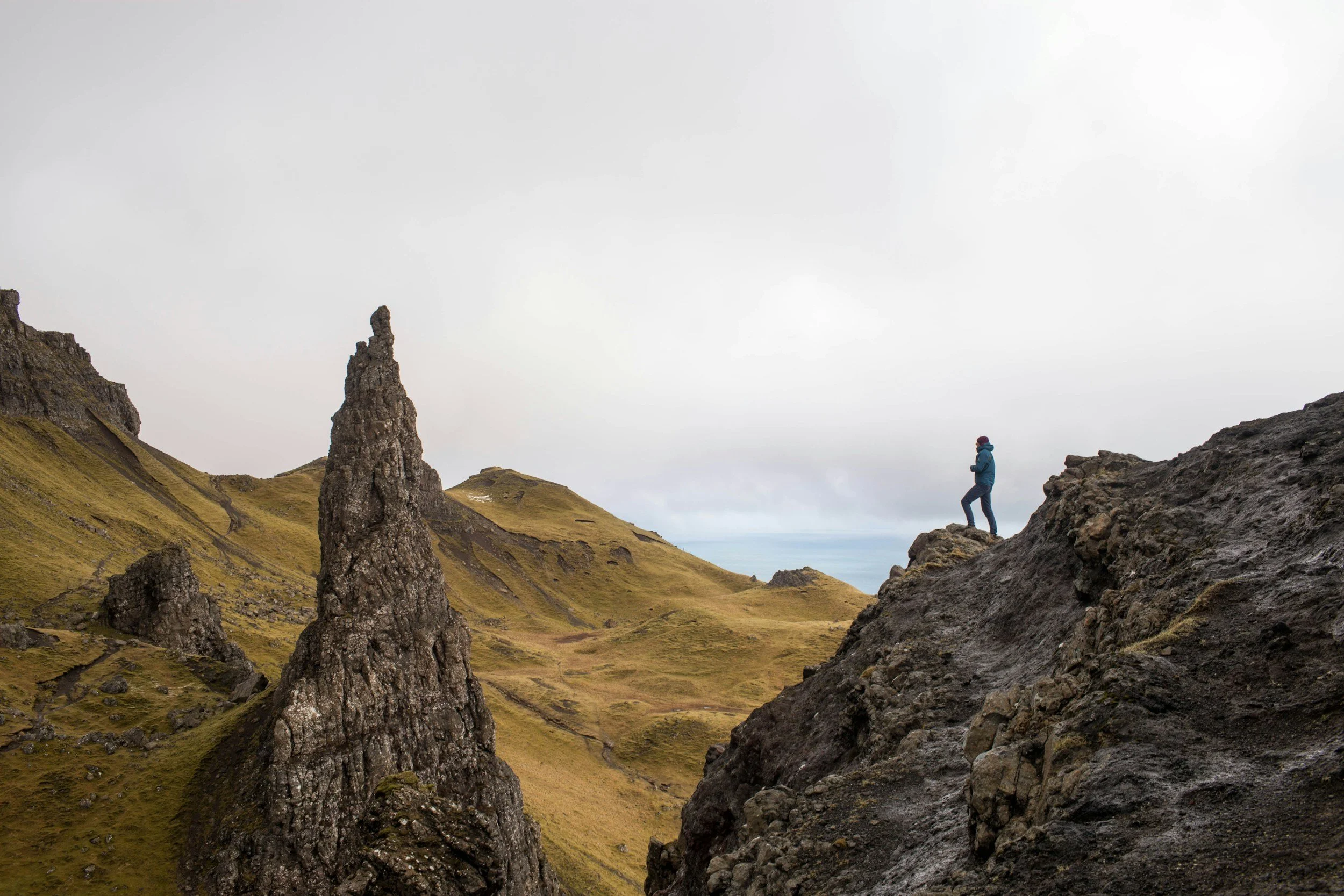
The Impact of Driving for a Long Time on Survival Fuel: Burnout and Survival Habits
However, a big drawback of survival fuel is that it is exhausting for our bodies. Our nervous systems weren’t designed to be in chronic states of fight/flight/freeze. We can get burned out.
Another consideration is that chronically operating on survival fuel often builds us survival habits.
Survival Habits? What are those?: Procedural Learning
While we live our day-to-day, we’re developing ways of doing things. Where you put your toothbrush. How you make your coffee in the morning. How you unwind after a long day. If we do them long enough, these ways of doing things become automatic habits. We call this procedural learning.
The classic example is riding a bicycle – it is learning that eventually gets to the point where you don’t have to think about the steps in riding a bicycle – you’re simply doing it.
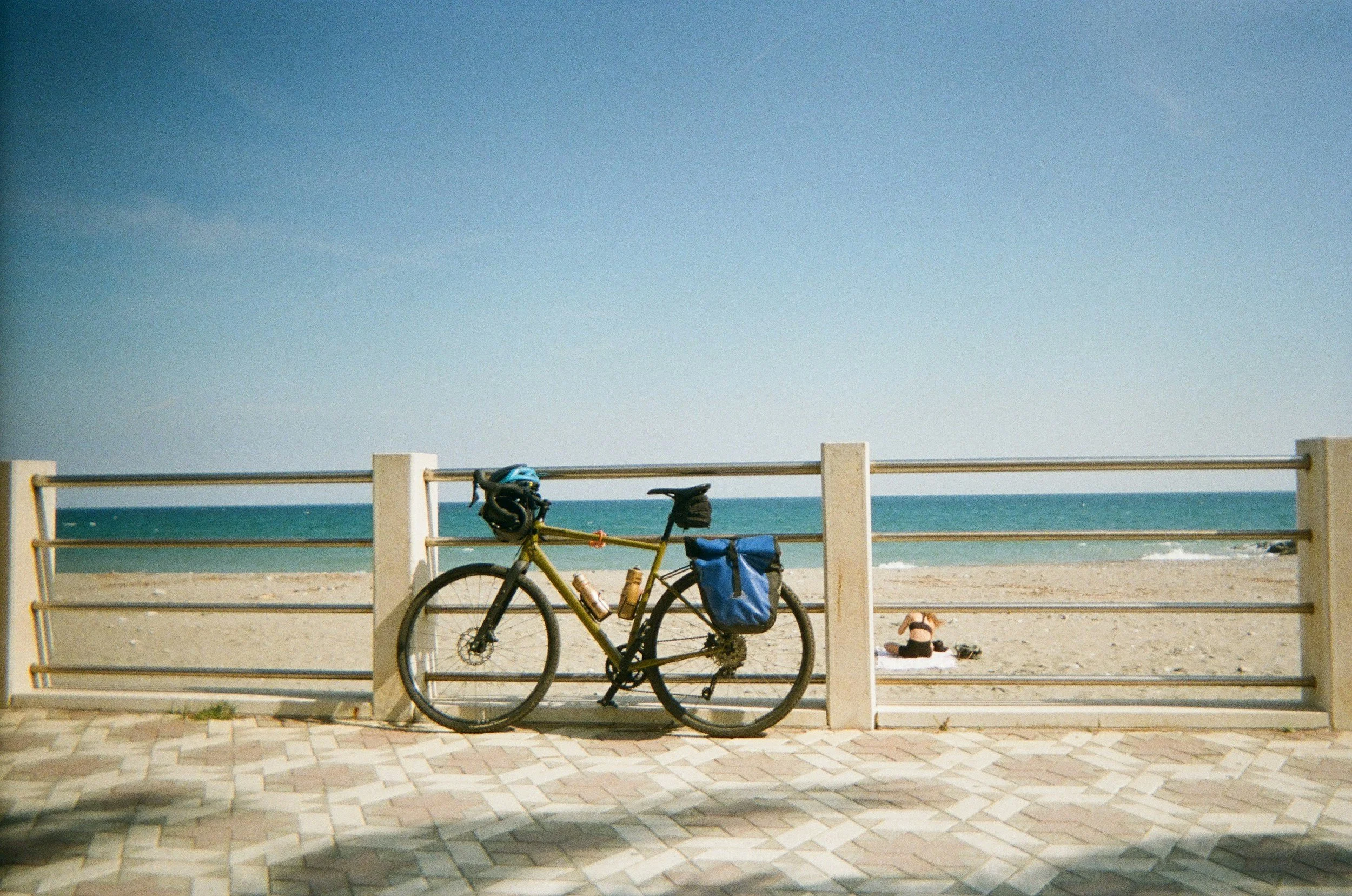
Procedural Learning + Survival Fuel = Survival Habits
If we’ve been running on survival fuel, then likely a lot of our procedural learning has come from this place of trying to stay safe in a dangerous situation.
Maybe this looks like (unconsciously) scanning the body language or atmosphere in a room to sense what parts of you are safe to share or need to be hidden. Maybe it means not communicating your needs because you’ve learned that can bring anger, shaming, or disappointment. Maybe it looks like taking control of all of the variables in a group or work project because you have learned that other people cannot be relied on.
Or maybe they’re more patterns of automatic activation in body sensations. Your heart-rate increasing every time you step into a space that is predominately of people who don’t share your identity. Trembling that arises when you step into a car. A feeling of dread when you think about talking about yourself or doing something outside of your comfort zone.
While we can accomplish truly important and remarkable things when we’re fuelled by survival energy, it can not only make us exhausted, but can create patterns of interacting with ourselves, others, and the world that prioritize not getting hurt, rather than honouring our values, following our curiosity, or building relationships that support us in feeling seen and whole.

People often come to therapy noticing, for example, that while they want to act a certain way, they way that they actually behave is just different.
They want to be able to voice their needs, but when faced with the chance, they can’t bring themselves to open up. They want to communicate with their partner in a calm and loving way, but they can’t seem to stop from being passive aggressive or dismissive.
They want to be able to unwind and relax when they get home from work, but their mind is running a loop of all the interactions they had in the day and scanning for where they said something wrong.
Survival Habits or Curiosity: Can You Notice the Difference?
If we’ve been in survival fuel for long enough, it can just feel normal, or like who we are. It can be hard to even imagine other ways of doing things.
Here’s a little exploration you can try out, if you’d like.
Practice Invitation
Imagine you’re on a walk to try and find something you dropped that is important to you. How is your breathing? Are your muscles tense or relaxed? Is there a sense of urgency? If you saw a friend, would you be able to stop to talk with them? What’s your emotional state like?
Now imagine that you’re on a walk because you noticed a beautiful sunset through your window. While you’re walking, you notice the air feels fresh and crisp. You notice the leaves on the trees. How is your breathing? Are your muscles tense or relaxed? Is there a sense of urgency? If you saw a friend, would you be able to stop to talk with them? What’s your emotional state like?
Did you notice a difference of your mental, physical, and emotional states across the two examples?
__
While this practice invitation did not evoke the extremes of a survival state (I aim for our practice invitations to remain trauma-informed), reflecting upon the two examples might give you some insight about how habits built within the Window of Tolerance differ from those outside of it.
When we are not operating on survival fuel, our system is available to take in and notice the things inside and around us. We are open to our present experience, to new possibilities, and to deepening existing connections and creating new ones. When we are fuelled by survival energy, our mind and bodies don’t have the resources to allow for curiosity, playfulness, or openness; they’re too focused on staying safe. When we have developed habits based on survival energy, our minds and bodies have procedurally learned to orient toward threat, danger, and maintaining safety, even if there actually are opportunities for curiosity in the present moment.
It is important to note that our nervous system does not function in a way that is as black and white as always operating from survival fuel or from a place of curiosity - indeed, there are many nuances between these two extremes. However, getting curious about patterns that seem closer to these extremes can help us build up our emotional muscles to be able to discern the shades of grey in-between.
Taking a Breath
This is a place where I invite you to pause again and to check in with what you’re noticing in your feelings and body as you read. Whether it’s a sense of connection, validation, shame, guilt, or fear – I invite you to take a breath.
If you’ve been running on survival energy, I truly believe that these parts of you have been working so hard to keep you safe. Know that I’m holding space for them from a place of respect, rather than from a place of judgement or ‘shoulds’. It doesn’t mean that you’re broken or that there’s anything wrong with you.
Even if you’ve been running on survival fuel for a long time and have a lot of habits based in survival, it is possible to shift. This can take time. Shifting involves helping your nervous system cue into the recognition that you are no longer in a place that requires survival fuel, and to build emotional muscles to help you move back into the Window of Presence more quickly when your body senses threat.
The first step is pausing, taking a breath, and beginning to notice. The next step is getting curious – and you don’t have to do that alone.

About the Author
Sabrina Sibbald (MSW, RSW) is a Registered Social Worker and Psychotherapist. She supports adults in Burlington, Toronto, and across Ontario to overcome anxiety, people pleasing, and trauma so they can move forward in a way that feels true to who they are.
__
This post was written by a human – no AI was used in the writing of this post :)
__
Please note that this blog post reflects the author’s perspective is not a substitute for individual therapy or support. If you need immediate support, please connect with your local crisis support (such as calling or texting 9-8-8 within Canada) or emergency services (such as 9-1-1).